
Every single year, something new appears on the internet. Trends explode. Fads come and go. Most online activities fade within months, sometimes weeks.
But then there’s YouTube.
It didn’t just survive. It dominated. And in 2026, YouTube is more popular than ever—not by accident, but because of constant evolution, smart design, and a new algorithm that completely changed how videos are recommended, watched, and shared.
If you’ve ever wondered, “Why is YouTube so popular when there are so many other video platforms?” — you’re about to get the real answer. Not the surface-level answer. The deep one.
And yes, we’re going to talk about YouTube’s new algorithm because that’s the hidden engine driving everything today.
What Are Online Video Websites? (A Quick Refresher)
Before we dive into YouTube’s magic, let’s define the basics.
Online video websites are platforms that host, stream, and share video content over the internet. Once a video is uploaded, it can be viewed by thousands—or even millions—of people worldwide. The best platforms also let users create, upload, and share their own videos.
YouTube launched in 2005. Back then, sharing a video meant emailing a massive file or burning a CD. Clunky, slow, and limited.
YouTube changed the game completely. It made video hosting free, fast, social, and scalable. Today, over 500 hours of video are uploaded to YouTube every single minute. That’s not a typo.
But quantity alone doesn’t explain why YouTube is so popular. The real answer lies in human psychology, technological shifts, and—most importantly—the algorithm.
The Old YouTube vs. The New YouTube Algorithm
Let’s be honest. For years, creators complained about YouTube’s algorithm. It felt random. It buried small channels. It rewarded clickbait.
But in 2024 and 2025, YouTube rolled out major updates to its recommendation system. By 2026, the new algorithm is fully mature—and it has fundamentally changed why people love YouTube.
What’s Different Now?
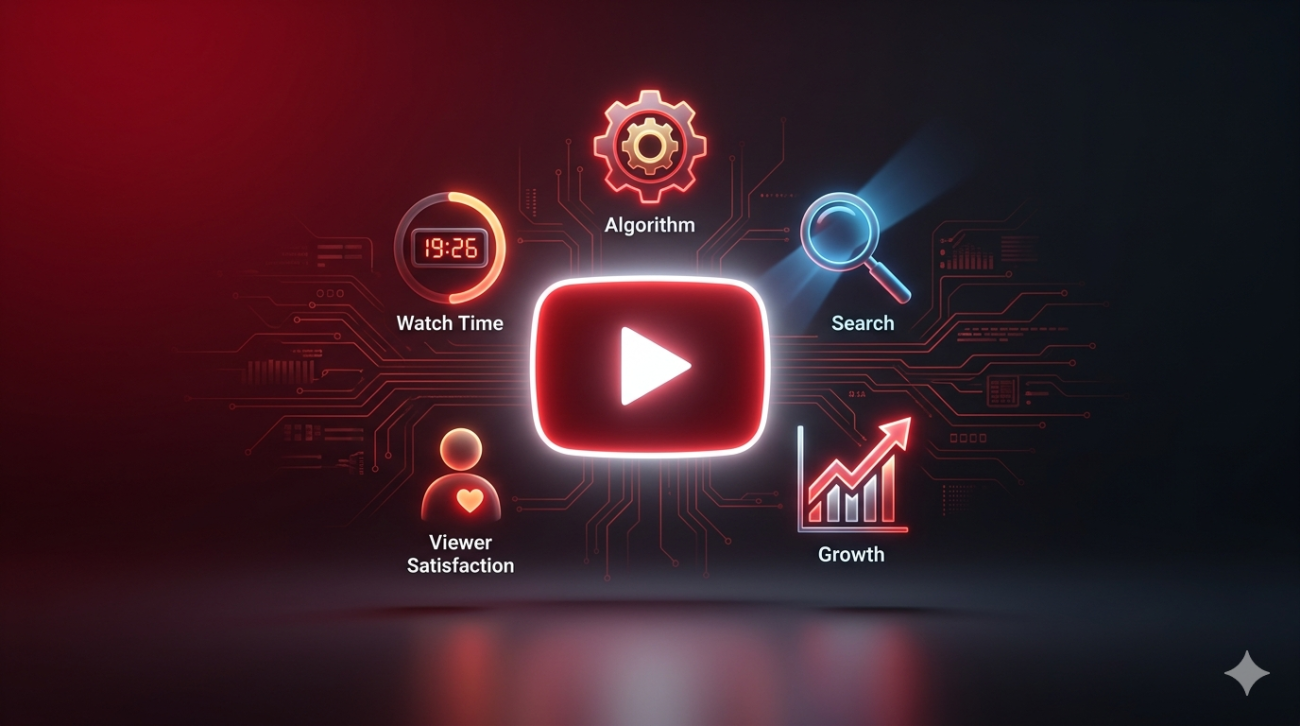
The new YouTube algorithm focuses on three things above all else:
- Viewer satisfaction (not just clicks)
- Watch time and re-watches
- Search intent alignment
In plain English? YouTube no longer just asks, “Did someone click on this video?”
Now it asks, “Did the viewer actually enjoy it? Did they watch most of it? Would they watch another video from this creator?”
This shift is massive. It means quality content rises faster. It means authentic creators win. It means YouTube feels less like a casino and more like a library of genuinely useful or entertaining videos.
And that, right there, is a huge reason why YouTube is so popular today. Viewers trust the platform more because they’re shown videos they actually want to watch.
Reason #1 – Anyone Can Upload Videos (But Now the Algorithm Helps Small Creators)
The first reason YouTube became popular is still true: anyone can upload a video. You don’t need a TV studio. You don’t need a production budget. You just need an idea and a phone.
But here’s what’s changed with the new YouTube algorithm:
Small channels now have a fighting chance.
In the past, big YouTubers dominated recommendations. Today, the algorithm actively tests new videos from smaller creators with small audiences. If those videos get good engagement (likes, comments, high watch time), YouTube pushes them wider.
This is why you see channels with 500 subscribers suddenly get 100,000 views. That’s the new algorithm at work.
So when someone asks, “Why is YouTube so popular?” — part of the answer is that it still feels like anyone can make it. That hope keeps people creating, watching, and sharing.
Uploading Is Faster Than Ever
In 2026, uploading to YouTube takes literally minutes. You can film, edit on your phone, upload, add SEO-friendly titles and descriptions, and publish—all during a coffee break.
The platform also auto-generates captions, suggests tags, and even helps you translate your video into other languages. That’s a huge win for global reach.
Reason #2 – It’s Still Free (And That Matters More Than Ever)
Let’s not overcomplicate this. People love free things.
YouTube is completely free to watch and upload. No subscription. No hidden fees. No paywalls for basic features.
Even YouTube’s optional registration is free. When you register, you can:
- Like and comment on videos
- Subscribe to channels
- Create playlists
- Save watch history
- Rate videos
All without spending a dime.
In a world where Netflix, Spotify, and Apple TV+ keep raising prices, YouTube remains the largest free entertainment library on earth. That alone explains a big chunk of why YouTube is so popular.
Reason #3 – The New Algorithm Rewards Watch Time, Not Just Clicks
Here’s something most people don’t realize.
The new YouTube algorithm doesn’t care as much about the first click. It cares about retention.
If 100 people click a video but 90 leave after 10 seconds, YouTube stops recommending it.
But if 100 people click and 80 watch the whole thing, YouTube pushes that video like crazy.
What does this mean for viewers?
It means the videos you see on your homepage and in recommendations are more likely to be good. No more clickbait thumbnails leading to garbage content. The algorithm killed that strategy.
This quality filter is a major reason why YouTube is so popular in 2026. People trust the platform to show them videos worth their time.
Reason #4 – Endless Variety of Content (From Pets to Politics)
YouTube accepts almost any type of video (as long as it follows community guidelines). That variety is a superpower.
On any given day, you can watch:
- Pet compilations
- Car reviews
- Comedy sketches
- Sports highlights
- Video essays on history
- Coding tutorials
- Cooking shows
- Music videos
- Political commentary
- True crime deep dives
There is literally something for everyone.
And with the new YouTube algorithm, the platform gets scarily good at finding your niche. Watch three guitar tutorials? Your homepage becomes a guitar lesson library. Watch two urban exploration videos? YouTube finds you five more.
This personalization keeps people coming back daily.
The 10-Minute Myth (Old News)
The original article mentioned a 10-minute limit. That’s ancient history. YouTube now allows videos up to 12 hours for verified accounts. Long-form content is thriving again because the new algorithm rewards deep engagement—not short, shallow videos.
Reason #5 – No Annoying Pre-Roll Ads? (Kind of True)
The original article said YouTube didn’t require you to listen to boring advertisements. That was true in the early days. Today, YouTube does show ads—but differently.
With YouTube Premium (paid subscription), you get zero ads. But even with the free version, ads are often skippable after 5 seconds. Compare that to traditional TV, where you sit through 3-minute commercial breaks. YouTube feels much less intrusive.
Plus, the new YouTube algorithm shows ads based on what you actually care about. That means less irrelevant junk and more offers that might interest you.
Reason #6 – Easy to Use (No Tech Degree Required)
You don’t need to be an internet expert to use YouTube. The search bar works like Google. Categories and recommendations do the rest.
In fact, YouTube is now the second-largest search engine in the world—behind only Google itself. People search for “how to fix a leaky faucet” or “best budget laptops 2026” just like they would on Google, but they prefer video answers.
This ease of use is a quiet but powerful reason why YouTube is so popular. Your grandma can use it. Your little cousin can use it. No training required.
How YouTube’s New Algorithm Actually Works (For Curious Minds)
Let’s get specific. Because understanding the algorithm helps explain YouTube’s popularity.
The new YouTube algorithm has four main signals:
1. Click-Through Rate (CTR)
How often do people click your video after seeing the thumbnail and title? Good CTR means interesting packaging.
2. Average View Duration (AVD)
How much of the video do people actually watch? High AVD = engaging content.
3. Like-to-View Ratio
Not total likes, but percentage. A video with 1,000 views and 100 likes (10%) beats 10,000 views and 200 likes (2%).
4. Session Time
This is the new secret weapon. YouTube asks: After watching this video, does the viewer stick around YouTube or leave? If they watch three more videos, you win. If they close the app, you lose.
These four signals explain why YouTube is so popular—the platform is optimized for genuine enjoyment, not just tricks.
What Creators Need to Know About the New Algorithm
If you’re thinking about starting a YouTube channel, here’s the good news: the new YouTube algorithm rewards authenticity.
Things that work well in 2026:
- Longer, well-researched videos (20–40 minutes)
- Strong hooks in the first 30 seconds
- Clear, searchable titles (e.g., “Why YouTube’s Algorithm Changed in 2026”)
- Custom thumbnails with human expressions
- Consistent posting schedules
Things that hurt you now:
- Clickbait that doesn’t deliver
- Super short videos under 4 minutes (unless it’s a Short)
- Ignoring comments and community engagement
So if you’ve been wondering why some channels explode and others don’t—look at the algorithm. It rewards value, not volume.
YouTube vs. TikTok vs. Instagram Reels (2026 Comparison)
You might be thinking: “If TikTok is so popular, why is YouTube still winning?”
Great question. Here’s the honest answer:
| Platform | Best For | Weakness |
|---|---|---|
| YouTube | Long-form, tutorials, music, deep dives | Requires more effort to create |
| TikTok | Short, viral, trend-driven content | Hard to build a loyal community |
| Instagram Reels | Visual, lifestyle, brand awareness | Lower searchability |
YouTube’s advantage is search and discovery. People go to YouTube with intent (“how to change a tire”). They go to TikTok for mindless scrolling. Both have value, but YouTube’s new algorithm makes it the most useful platform.
That usefulness is a core reason why YouTube is so popular among adults, professionals, and students.
YouTube SEO Basics (Because the Algorithm Loves Search)
You can’t talk about YouTube’s new algorithm without talking about YouTube SEO.
The algorithm crawls your video’s:
- Title
- Description (first 150 characters matter most)
- Tags
- Captions/transcripts
- Comments (yes, comments help SEO)
If you want YouTube to recommend your video, you need to tell it what the video is about. Use natural keywords in your title and description. Don’t keyword stuff—write for humans first.
Example:
Bad title: “YouTube Algorithm 2026 New Update Changes”
Good title: “How YouTube’s New Algorithm Actually Works in 2026 (Full Guide)”
See the difference? The second one is clearer, more specific, and more clickable.
The Future of YouTube (Why It Won’t Fade Away)
Every few years, someone predicts YouTube’s death. TikTok will kill it. Instagram will kill it. AI will kill it.
None of that has happened.
Why? Because YouTube has multiple moats:
- The largest library of human-created videos in history
- A search engine people trust
- An algorithm that keeps improving
- Deep integration with Google
- A creator monetization system (ads, memberships, shopping)
Even with the new YouTube algorithm constantly changing, the core value remains: YouTube helps people learn, laugh, and connect.
That’s not a fad. That’s a fundamental human need.
Conclusion: So, Why Is YouTube So Popular?
Let’s bring it all together.
YouTube is popular because:
- It’s free – Always has been, always will be.
- Anyone can upload – No gatekeepers.
- The new algorithm rewards quality – Good content finds an audience.
- Endless variety – Pets, politics, cooking, coding.
- Easy to use – No learning curve.
- No annoying forced ads – Skippable or premium option.
- It’s the second-largest search engine – People go there for answers.
- The algorithm promotes watch time – Better videos rise.
- Small creators can still win – Hope keeps the ecosystem alive.
- It keeps evolving – YouTube in 2026 is better than YouTube in 2020.
So the next time someone asks, “Why is YouTube so popular?” — you can give them the real answer. Not just “because it’s free.” But because it’s useful, entertaining, fairer than ever, and powered by a smart algorithm that actually respects viewers’ time.
And that’s why billions of people open YouTube every single day.
Frequently Asked Questions (People Also Ask)
Is YouTube still popular in 2026?
Yes. Over 2.7 billion logged-in monthly users. It remains the #1 video platform worldwide.
How does YouTube’s new algorithm work in 2026?
It prioritizes viewer satisfaction, watch time, and session duration over raw clicks. Quality content wins.
Can you still make money on YouTube with the new algorithm?
Yes. In fact, the new algorithm helps engaged creators grow more consistently than before.
Why did YouTube remove the 10-minute limit?
To allow longer, high-value content. The new algorithm rewards deep engagement, so longer videos often perform better.
H3: Is YouTube better than TikTok?
For searchable, useful, long-form content—yes. For short viral entertainment—TikTok is strong. They serve different needs.
